
section heading hidden

Our Latest News
Article
- Home
- Blog
- By Safe Beginner Guide to Foraging Wild Garlic
- Comments 35
- 15 Nov 2026
Slot Volatility Explained: Why Big Wins Aren't Always Better
Two players sit down at identical-looking slot machines. Same theme, same jackpot, same bet size. One walks away up 400 units after twenty minutes. The other burns through her entire balance in forty spins without a single meaningful hit. She didn't do anything wrong. The difference comes down to a concept most casual players never think about until it costs them: volatility. Understanding it is arguably more valuable than any strategy tip you'll read about slot selection, because it determines whether a game matches your bankroll and your temperament in the first place.
What Volatility Actually Measures
Slot volatility (sometimes called variance) describes how a game distributes its payouts over time. Every slot has a theoretical return-to-player percentage, usually somewhere between 94% and 97% in regulated markets. That RTP tells you what the machine pays back over millions of spins. It says nothing about the ride you'll take getting there.
A low-volatility slot pays small amounts frequently. Think classic three-reel games with cherries and bars, or modern five-reel titles where wins of 0.5x to 3x your stake land every few spins. A high-volatility slot does the opposite. You might spin fifty, eighty, even a hundred times with almost nothing, then hit a bonus round that pays 500x your bet. Both games can share the same 96% RTP. They feel completely different to play.
Here's the part that trips people up: volatility isn't a defect you can exploit. It's a design choice, and neither end of the spectrum is inherently better. It only becomes a problem when there's a mismatch between the game and the player.
The Bankroll Math Nobody Talks About
Your starting balance should dictate which volatility you play, not your mood. A rough rule experienced players use: divide your session bankroll by at least 200 to get your bet size for high-volatility games, and by around 100 for low-volatility ones. With a $100 bankroll, that means betting no more than $0.50 on a volatile slot or $1.00 on a low-variance one.
Why the gap? Because high-volatility games need enough spins for their rare big hits to arrive. If you're betting $2 a spin on a 96% RTP game with extreme variance and you only have $100, you're statistically likely to bust before the math has a chance to work in your favor. You're not unlucky. You're just underfunded for that specific game.
- Low volatility (1-3): frequent small wins, gentle swings, good for long sessions on a modest bankroll.
- Medium volatility (4-6): balanced, the sweet spot for most recreational players.
- High volatility (7-10): long dry spells, rare massive payouts, needs a deep bankroll and patience.
Reading a Slot Before You Commit
Most regulated casinos and even the games themselves publish volatility ratings. If they don't, you can infer a lot from a few quick checks:
- Open the paytable and find the max win. A 5,000x max win usually signals high volatility; a 500x cap suggests something tamer.
- Check the RTP. Games below 95% demand more caution, especially at high variance.
- Look at the bonus trigger frequency if it's listed. Bonuses firing roughly every 1 in 150 spins is medium; every 1 in 400 or worse is a sign of a grind-heavy game.
- Test with minimum bets first. Twenty spins at the lowest stake will show you whether the game feels like a slow bleed or a choppy fight.
This applies everywhere slots exist. A pragmatic UK player checking volatility before staking real money in an online casino follows the same logic a Las Vegas local uses on the slot floor at a tribal casino or a Red Rock resort — the math doesn't change just because the venue or platform does.
Volatility Beyond Slots
The concept bleeds into every corner of iGaming, and recognizing it makes you sharper across the board. It is also worth checking สล็อตเว็บตรง before deciding.
In blackjack, basic strategy dramatically lowers the house edge, which is why sharp players grind it out. But it's a low-volatility game by nature: small edges, slow accumulation. You'll rarely double your bankroll in an hour, and that's the point.
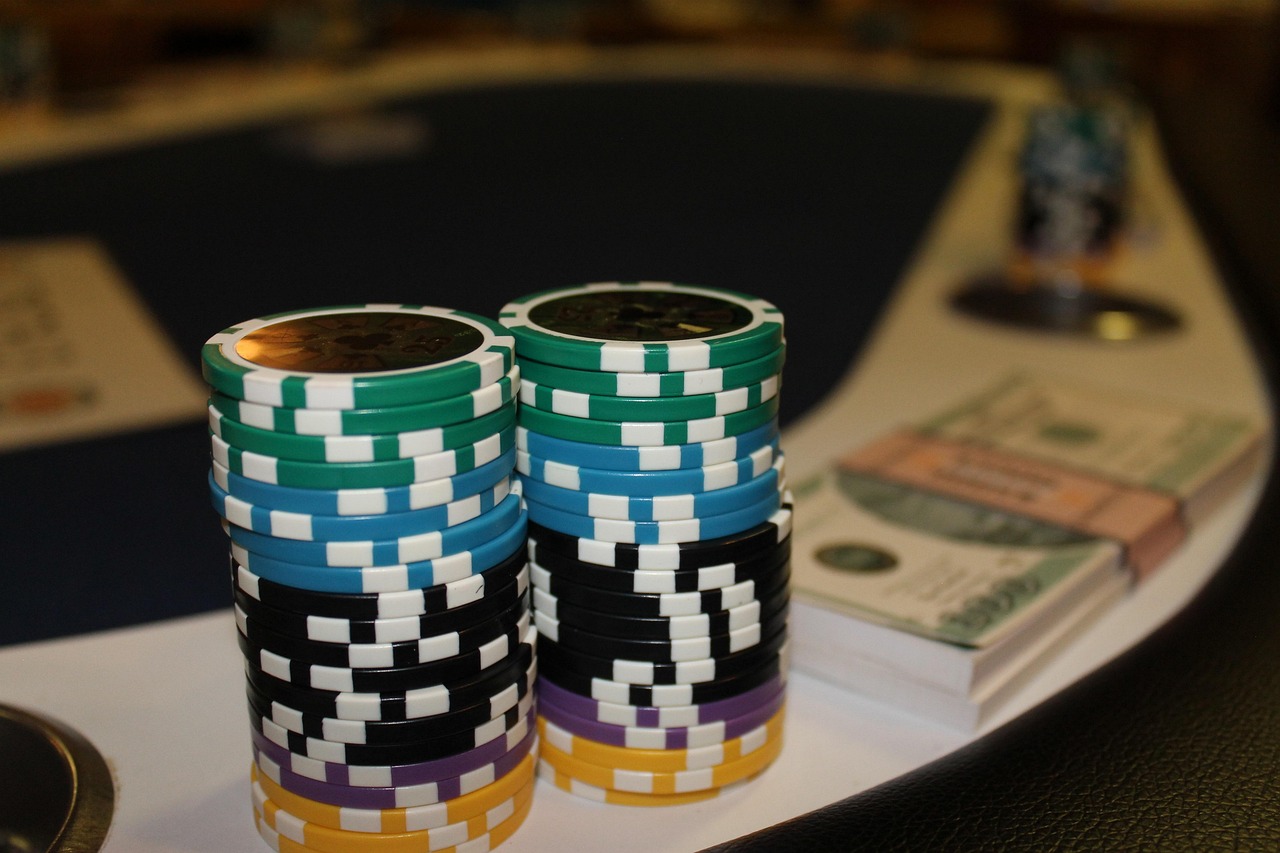
Poker is where volatility gets genuinely brutal. A winning cash-game player might post a losing session 55% of the time. Tournaments are worse — a great player can go dozens of events without a final table and still be profitable long-term. That's high variance, and it destroys players who can't stomach the swings. Bankroll management in poker isn't optional; it's the difference between a sustainable hobby and an expensive lesson.
Sports betting sits somewhere in the middle, though accumulator bets stack variance fast. A five-leg parlay at even odds each has roughly a 3% chance of landing. The payout looks juicy, but the variance profile is closer to a lottery ticket than a value bet.
Matching Volatility to Your Personality
Here's a test that's more useful than any rating system. Ask yourself how you'd feel after 100 spins with zero wins on a game that might pay 1,000x on spin 101.
- If that thought makes you anxious, you're a low-to-medium volatility player. No shame in it — you'll last longer and enjoy sessions more.
- If the idea excites you and you've got the bankroll to absorb the drought, high-volatility games can deliver the biggest thrills in the industry.
- If you can't decide, medium volatility is the honest default for most people. It offers enough action to stay interesting without demanding an iron stomach.
The worst mistake is chasing the biggest max-win numbers on the game's marketing banner while playing with a bankroll built for penny spins. That's how sessions end in frustration, and it's entirely avoidable with ten seconds of research.
The Honest Bottom Line
Volatility doesn't change the house edge, and no amount of game selection will turn slots into a positive-expectation bet. That's not the goal. The goal is finding games whose payout rhythm matches how you like to play and what your balance can survive. A low-volatility player grinding small wins and a high-volatility hunter chasing a bonus buy are both making rational choices — as long as the game fits the bankroll behind it. The next time you open a lobby, skip the flashy thumbnails and check the volatility first. Your balance, and your blood pressure, will thank you.
Share:

Keeping Children Warm on Winter Woodland Walks
Learn how bluebells, wood anemones and old coppice stools can reveal the long history of a British woodland.
5 Comments
-

Robert Sonny says Jul 21, 2024 at 10:00am
I must explain to you how all this mistaken idea of denouncing pleasure and praising pain was born and I will give you a complete account of the system
Reply-

John Abraham says Jul 21, 2024 at 10:00am
I must explain to you how all this mistaken idea of denouncing pleasure and praising pain was born and I will give you a complete account of the system
Reply-

Robert Sonnysays Jul 21, 2024 at 10:00am
I must explain to you how all this mistaken idea of denouncing pleasure and praising pain was born and I will give you a complete account of the system
Reply
-
-
-
Robert Sonny says Jul 21, 2024 at 10:00am
I must explain to you how all this mistaken idea of denouncing pleasure and praising pain was born and I will give you a complete account of the system
Reply
Leave a reply

Trending Topics
Popular Post

30 Aug 2026
Planning a Family Picnic in a Woodland Clearing

25 Aug 2026
Navigating Rights of Way in England and Wales

22 Aug 2026
Sketching Tree Silhouettes for a Nature Journal


How We Can
Help You!
Follow established paths, keep dogs close and never pick bluebells so woodland flowers can set seed for future seasons.
Contact Us
There are many variations of passages of Simple, genuine and looked after with care — the kind of place worth returning to.
Important Link
Recent Post
-
Managing Dogs Safely Around Livestock and Wildlife
20 Aug 2026 -
Making Elderflower Cordial from Hedgerow Flowers
18 Aug 2026
Newsletter
Many desktop publi’s shing packages web page editors now is use sites.
Copyright © 2026 Brisk Birch. All rights reserved.Brisk Birch.